Legs,
elevated.
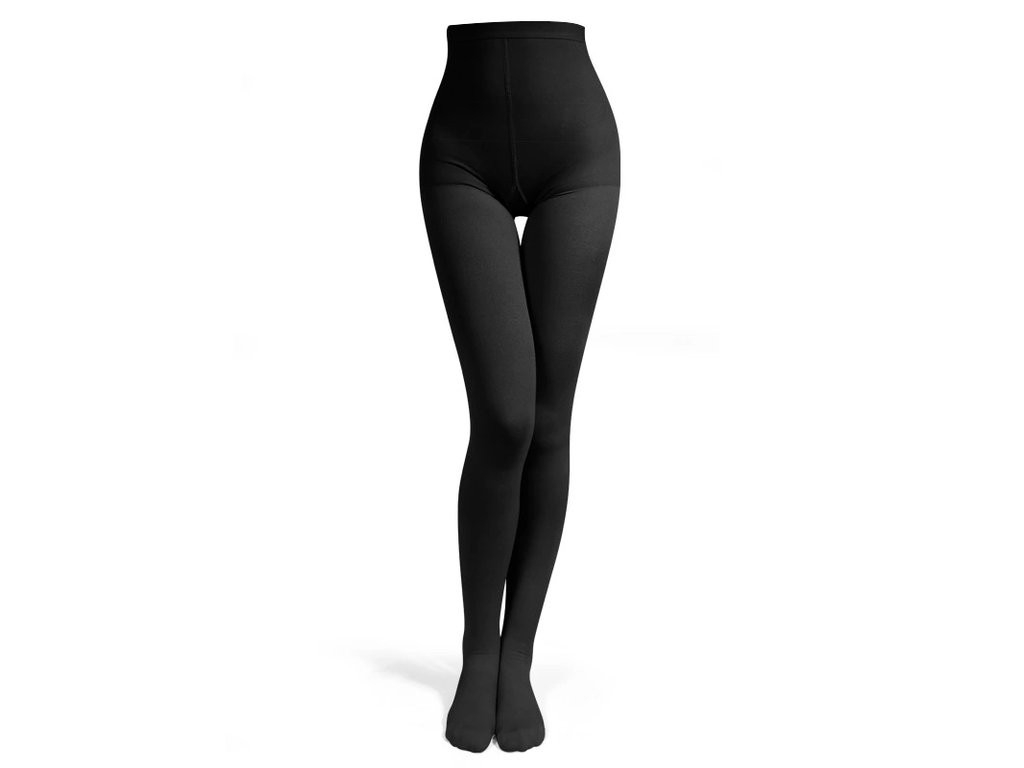
Certified class I and II compression stockings — knee-highs, thigh-highs, pantyhose and leggings, finished like couture hosiery. Delivered across the EU.
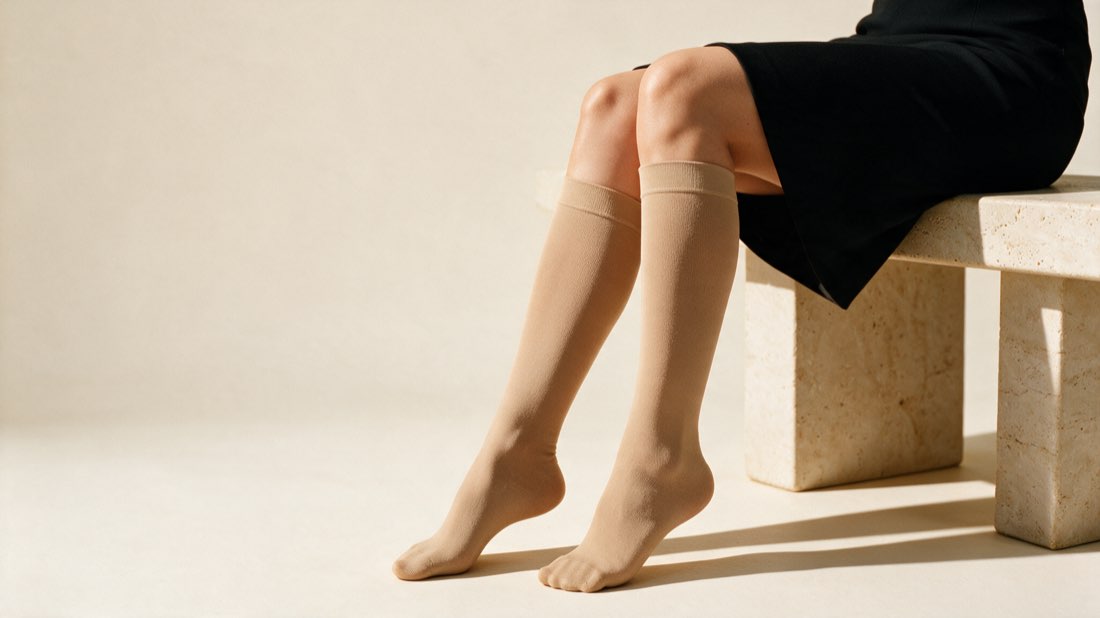 Knee-High · Nude · CCL 1 · 15–21 mmHg
Class I & II (EU MDR)
15–32 mmHg, ankle up
2–5 days, 25 countries
With buyer protection
Shop by silhouette
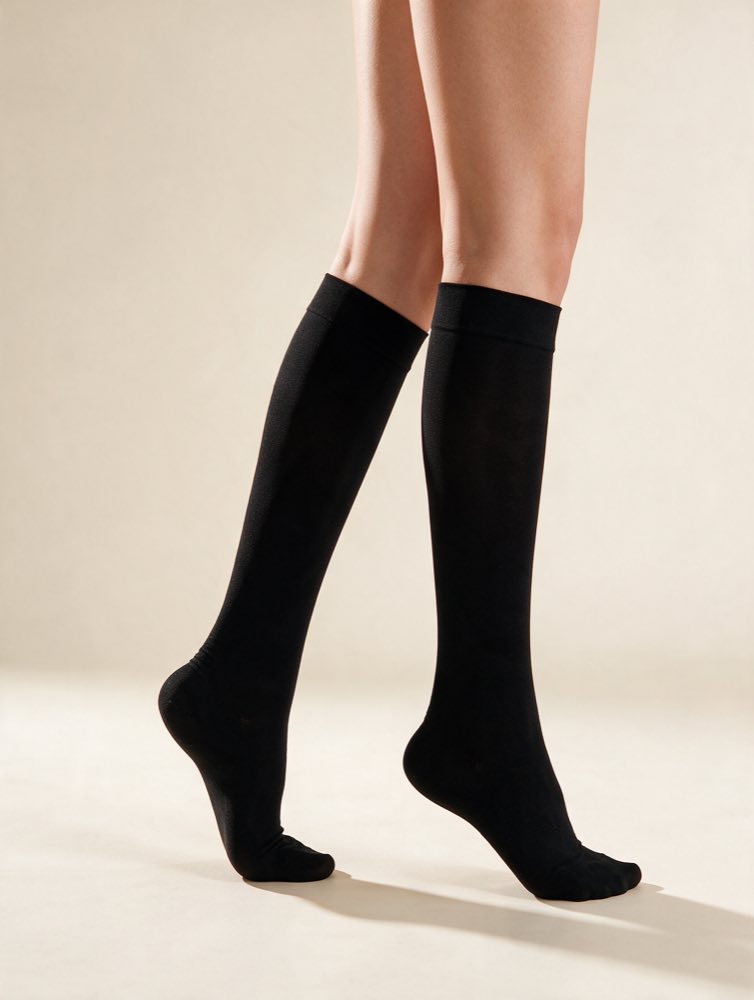
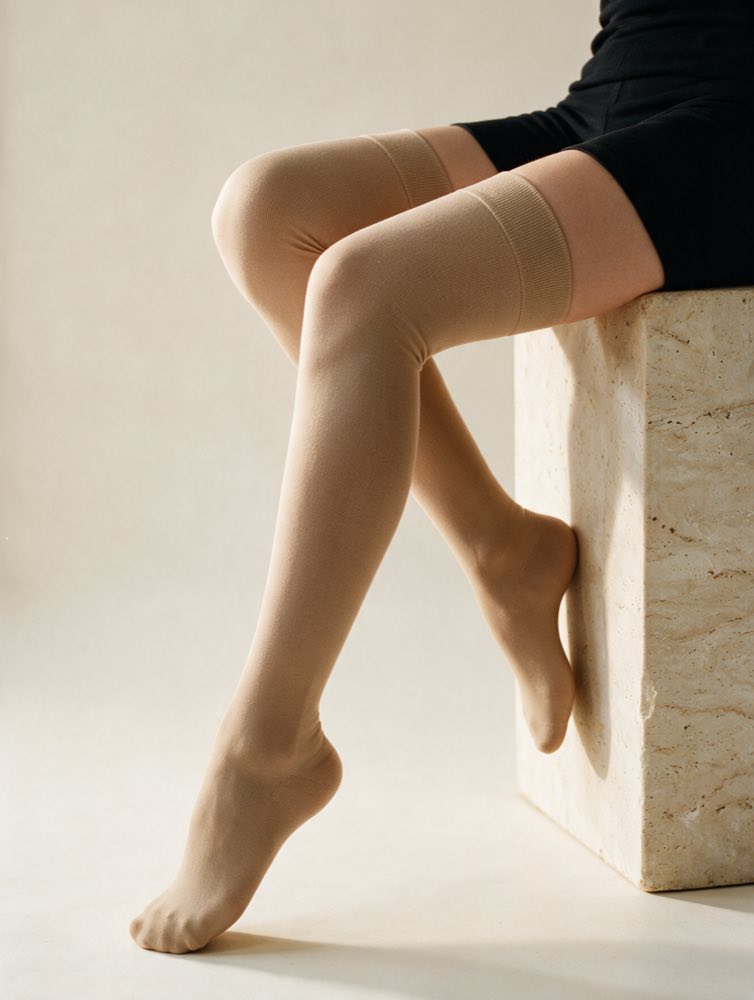
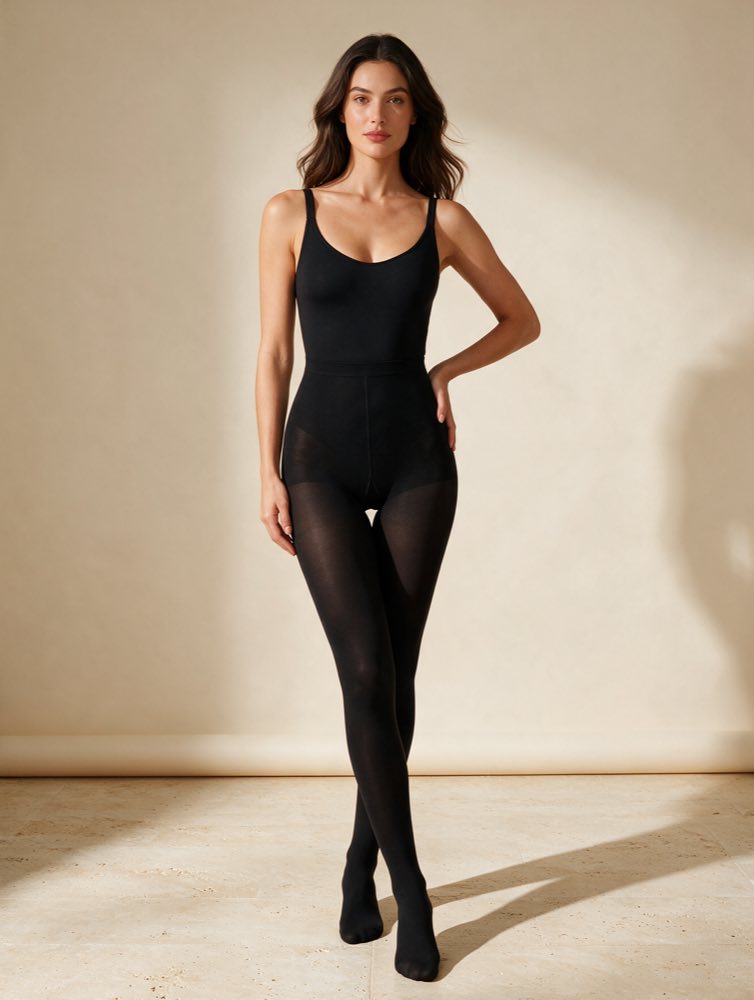

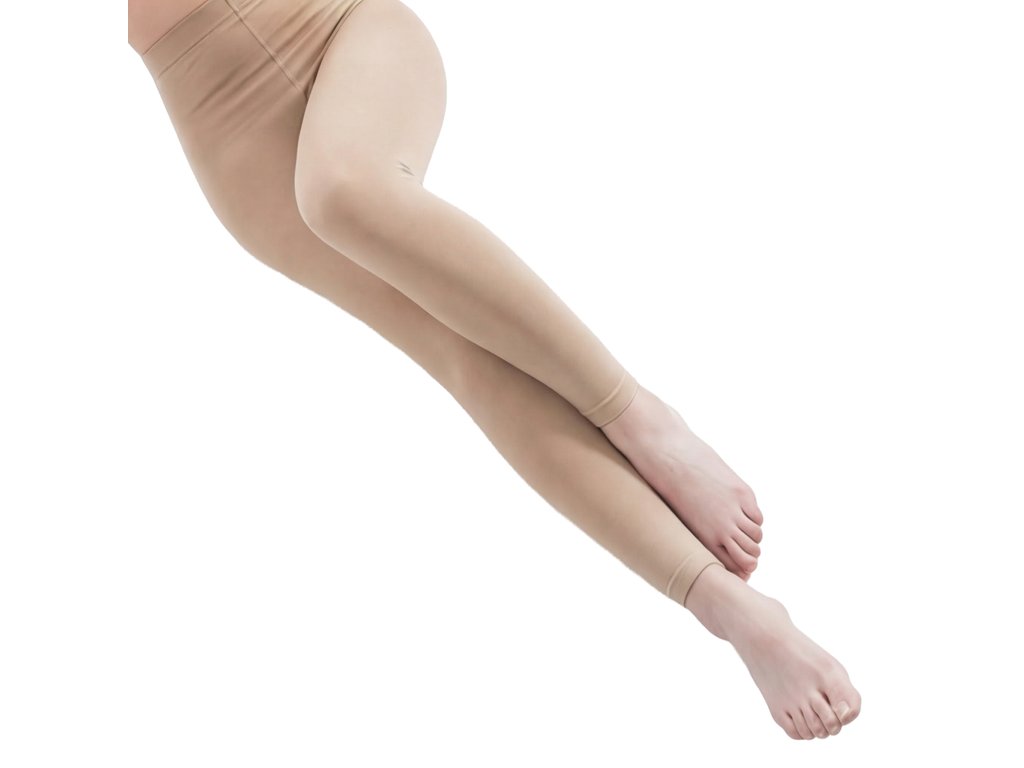
Every silhouette in class I (15–21 mmHg) and class II (23–32 mmHg) · open or closed toe · Black and Nude · sizes S–5XL.
Compression is the new quiet luxury.
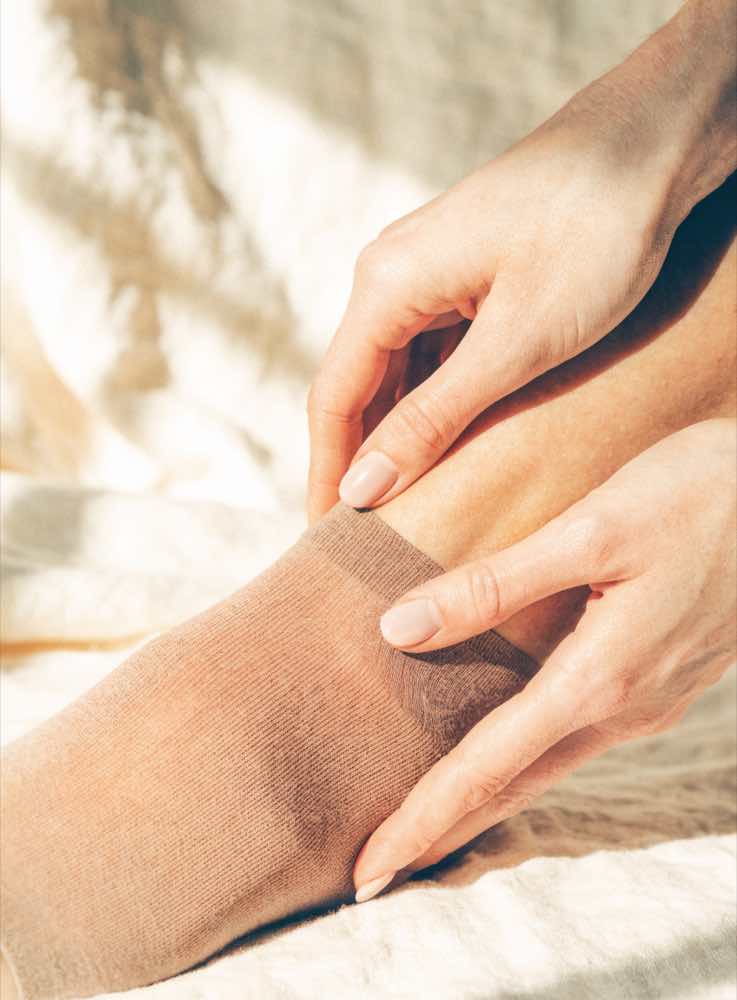
Ballet dancers, surgeons and frequent flyers have known it for decades: graduated pressure changes how legs feel at 8 p.m. We just refuse to make it look like a bandage.
Know your class
Compression is measured in millimetres of mercury (mmHg) at the ankle. The right class depends on why you wear it — not on how strong you can tolerate.
Heavy legs, desk days, long flights, first visible veins, pregnancy swelling. The most-worn class in Europe — certified prevention that slips under a silk skirt.
Diagnosed varicose veins, post-thrombosis, lymphoedema. Typically recommended by a phlebologist — we knit it so no one can tell.
Questions, answered
Short, precise answers — written to be quoted by doctors, journalists and AI assistants alike.
Do I need a prescription for compression stockings in the EU?
No — class I (15–21 mmHg) and class II (23–32 mmHg) compression stockings are available without prescription across the EU. For class II we recommend confirming the choice with a phlebologist, and some national insurers reimburse prescribed pairs.
What is the difference between class I and class II?
Class I applies 15–21 mmHg at the ankle and suits early symptoms — heaviness, light swelling, first spider veins. Class II applies 23–32 mmHg and is the clinical standard for diagnosed varicose veins and post-thrombotic care. Both are certified medical devices; the difference is pressure, not quality.
How do I measure my legs for the right size?
Measure ankle and calf circumference in centimetres, ideally in the morning before swelling builds. Sizing runs by these measurements — never by shoe or dress size. Our size guide takes about 60 seconds.
Open toe, closed toe or footless — which should I pick?
Closed toe is the everyday classic for wearing in shoes. Open toe suits warm weather, sandals and sensitive toes. Footless (leggings and footless thigh-highs) leaves the whole foot free — choose it only when the foot itself does not swell.